A Chronicle of Europe · 776 BC to AD 2026
Roots
Twenty-eight centuries of ambition, faith, plague, genius and ruin, one continent, told in a single descent.

I776 BC to AD 476
The First Europe
Antiquity
Before Europe had a name it had an idea: that free citizens could govern themselves, that gods spoke in poetry, that law could outlive kings. Greece argued the idea; Rome paved it. For nine centuries the Mediterranean was less a sea than a Roman lake, until the lake froze.
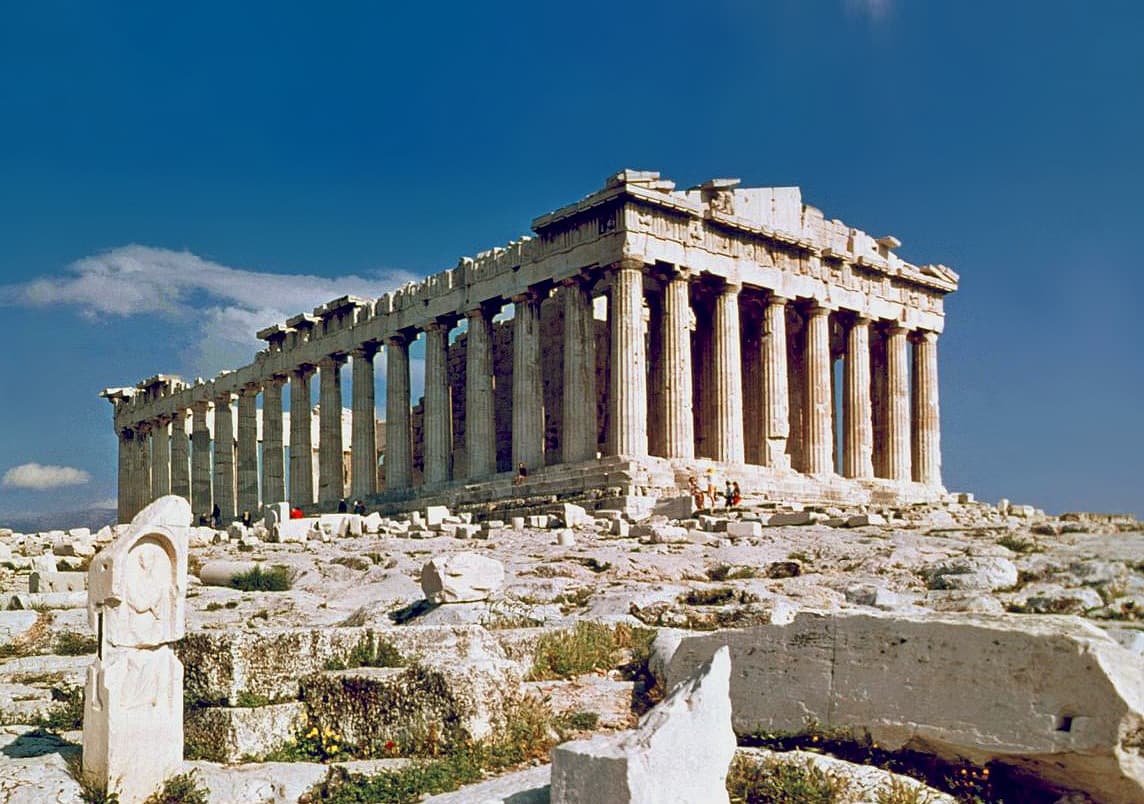
- 776 BC
First recorded Olympiad
At Olympia, a footrace for free men becomes the calendar event of the Greek world, and the moment this chronicle begins.
- 508 BC
Athens invents democracy
Cleisthenes reforms the tribes and hands the assembly to ordinary citizens. Demokratia will die and be reborn for the next 2,500 years.
- 44 BC
The Republic murders its saviour
Senators stab Julius Caesar beneath Pompey's statue hoping to save the Republic, and hasten the Empire instead.
- AD 80
Rome opens the Colosseum
One hundred days of games greet fifty thousand seats. Perhaps sixty million people now answer to Rome.
- AD 313
Christianity is legalized
Constantine's Edict of Milan turns a persecuted sect into the religion of emperors.
- AD 476
The West falls
A Germanic officer deposes the boy-emperor Romulus Augustulus. No successor is appointed; the idea of Rome refuses to die.

IIAD 476 to 1000
Kingdoms of the Faith
Early Middle Ages
Rome's collapse did not empty the stage; it redistributed the props. Bishops inherited cities, warlords inherited provinces, and Constantinople claimed to have inherited everything. From the rubble, three powers formed the medieval mind: the Church, the sword, and the book.
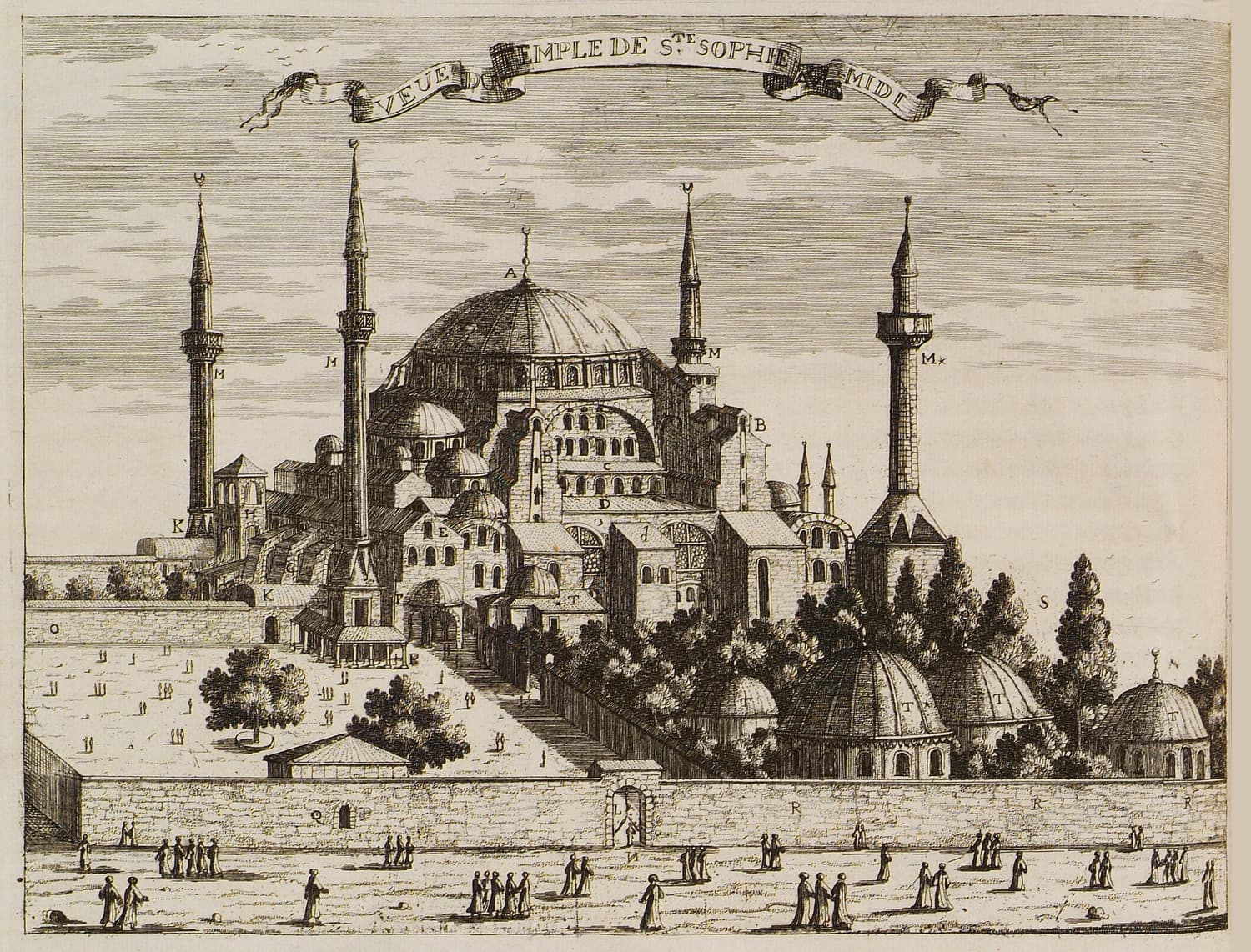
- 537
Hagia Sophia is consecrated
Justinian's dome over Constantinople (“Solomon, I have outdone thee”) anchors Christendom in the East for a thousand years.
- 732
Tours halts the northward ride
Charles Martel's Franks defeat an Umayyad army near Poitiers; the Pyrenees become the frontier of two worlds.
- 793
Lindisfarne is sacked
Northmen loot a holy island off Northumbria. The Viking Age opens with a letter of lament that reads like the end of the world.
- 800
Charlemagne is crowned emperor
Pope Leo III places a crown on the Frankish king in St Peter's. The West again dares to say “empire”.
- 843
Verdun divides the empire
Three grandsons split Charlemagne's realm; the fracture lines sketch the future borders of France and Germany.
- 988
Rus adopts Byzantine Christianity
Prince Vladimir baptizes Kyiv, tying the northern rivers to Constantinople, splitting Europe's loyalties east and west.

III1000 to 1453
Cathedrals & Catastrophe
High Middle Ages
Europe grew tall, literally. Stone reached for heaven at Chartres and Salisbury, universities argued Aristotle in Paris and Bologna, merchants grew richer than lords. Then a ship docked at Messina carrying rats, fleas, and the end of the world.
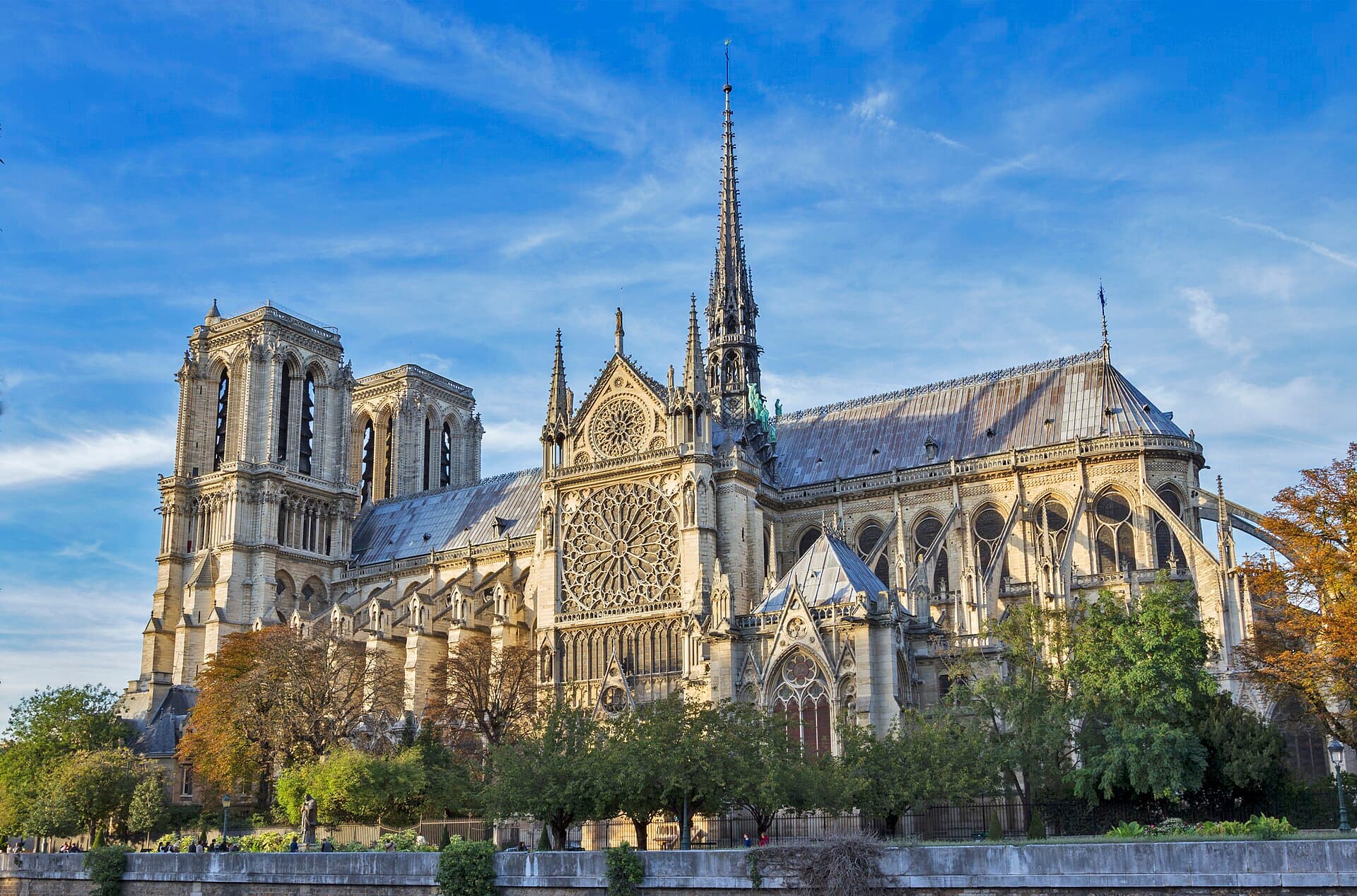
- 1054
Christendom splits in two
Rome and Constantinople excommunicate each other; the fault line runs through Europe to this day.
- 1066
Hastings redraws England
William of Normandy wins one battle and rebuilds a kingdom; French floods into English speech for centuries.
- 1215
Magna Carta is sealed
Rebel barons force King John to concede that the ruler stands under the law. Everyone else starts taking notes.
- 1347
The Black Death lands at Messina
Within five years plague kills perhaps a third of Europe. Wages rise, faith wavers, authority scrambles.
- 1381
The Peasants revolt
Wat Tyler's marchers storm London demanding an end to serfdom: the first great uprising of common people.
- 1453
Constantinople falls
Ottoman cannon breach the Theodosian Walls. A Roman state that began with Augustus ends on a Tuesday.

IV1453 to 1600
Man, Measured
Renaissance & Reformation
Greeks fleeing Constantinople carried Plato west; Mainz mixed a wine press with oil-based ink and made ideas cheap. Copies became perfect, arguments became mass media, and a German monk with a grievance split the Church in weeks. Europe rediscovered the human, and learned to argue with heaven.
- c. 1450
Gutenberg prints
Movable type at Mainz makes identical truth reproducible. Luther's pamphlets will later sell three hundred thousand copies in three years.
- 1492
Columbus crosses west
Two continents collide; silver, syphilis and potatoes begin moving in every direction at once.
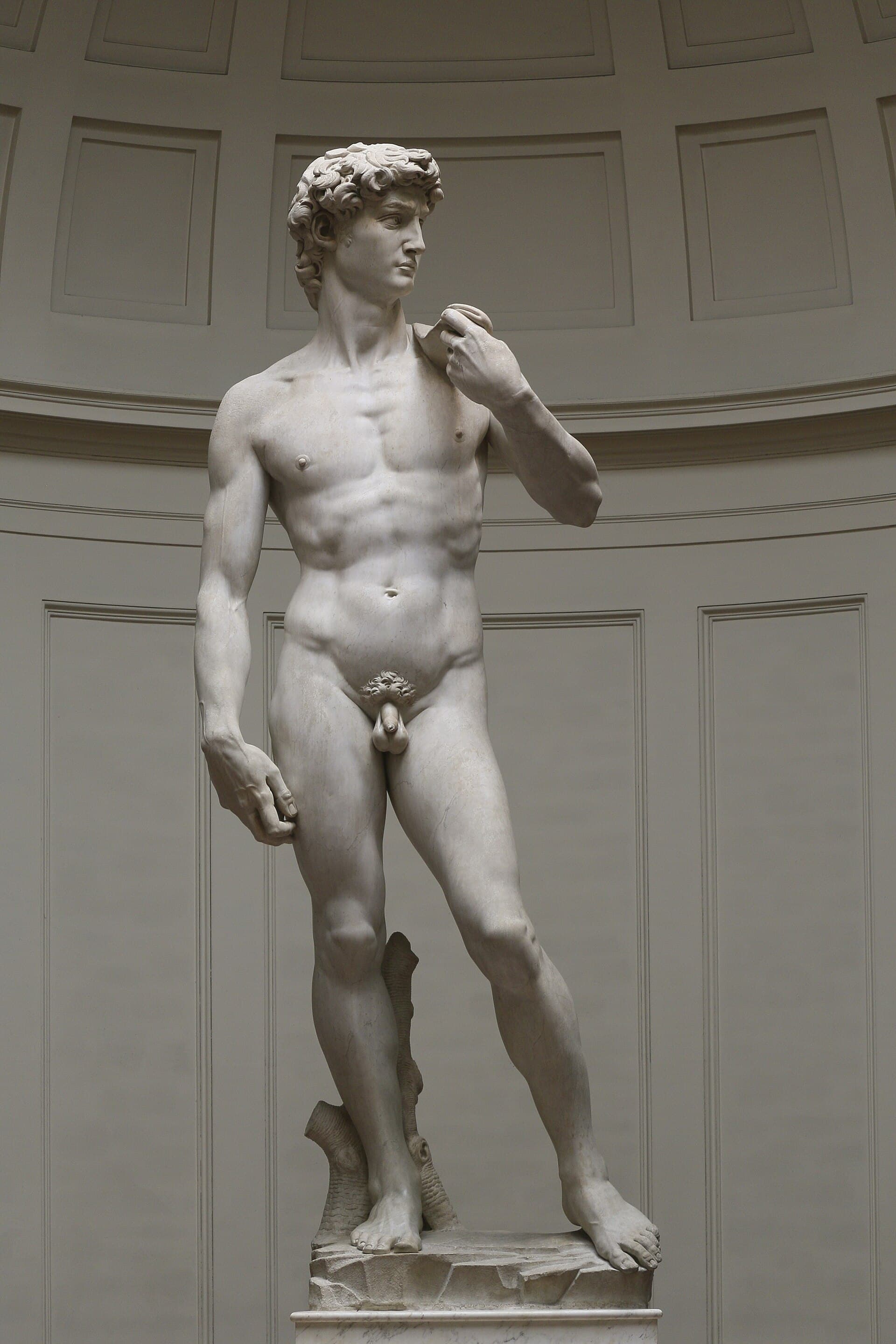
- 1504
David is unveiled
Michelangelo's seventeen-foot shepherd-boy stands in Florence as a civic warning to tyrants.
- 1517
Ninety-five Theses
Luther pins argument to the church door at Wittenberg; the printing press turns a dispute into a firestorm.
- 1543
The Earth is demoted
Copernicus publishes on the revolutions of the heavens and quietly removes mankind from the centre of the universe.
- 1588
The Armada breaks
Protestant weather and English fire ships scatter Spain's invasion fleet; a small island begins imagining an empire.

V1600 to 1815
Reason Unbound
Enlightenment & Revolutions
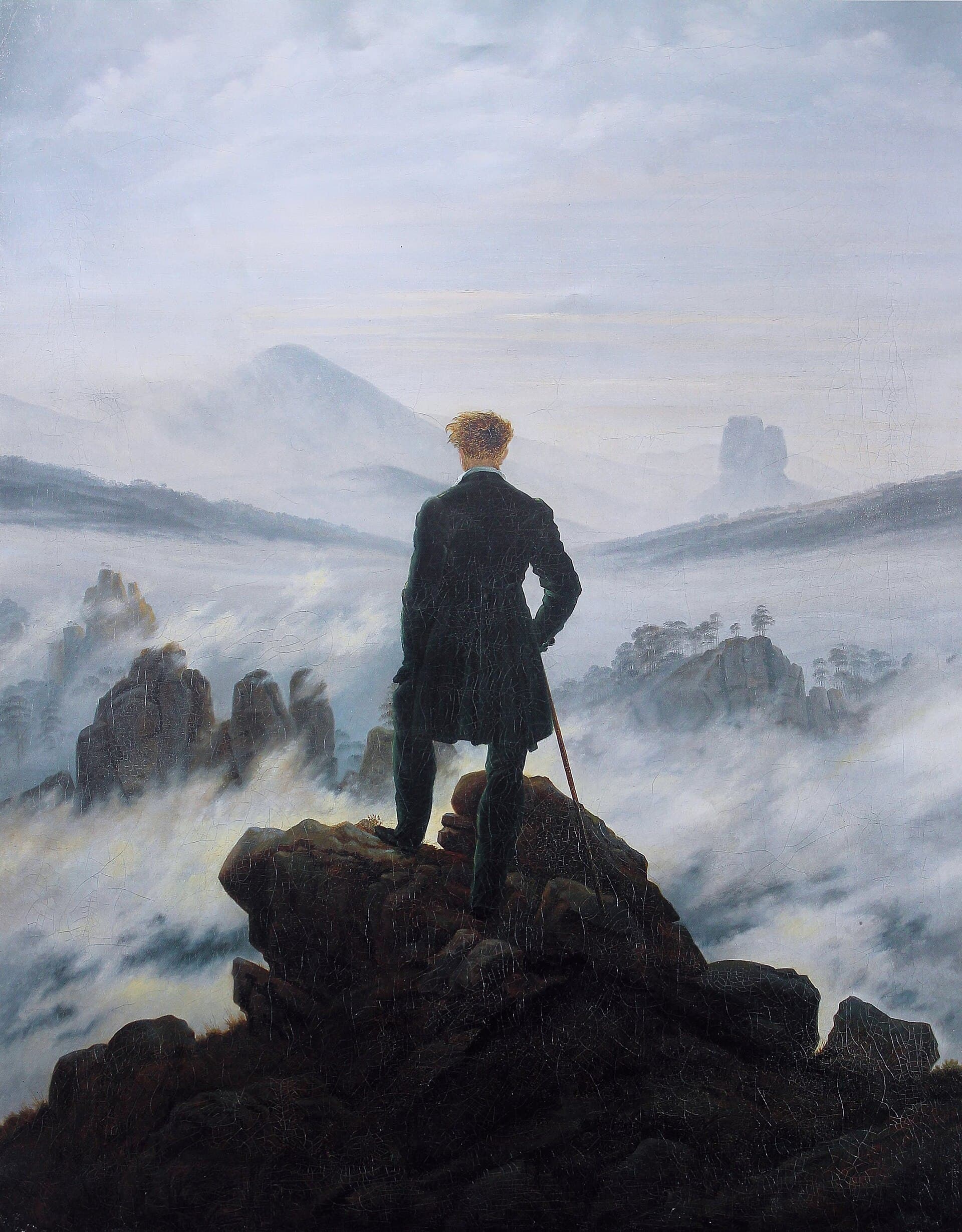
First the telescopes, then the guillotine. A century of wars of religion taught Europe to worship evidence instead; salons and encyclopedias argued that men could be improved like bridges. In 1789 the argument got votes, and in 1793 it got knives.
- 1609
Galileo looks up
A Dutch toy aimed at the sky finds Jupiter's moons; the heavens become a place, not a painting.
- 1648
Westphalia invents the state
Exhaustion ends the Thirty Years' War and codifies sovereignty: the diplomatic operating system still running today.
- 1687
Newton publishes the Principia
One law moves the apple and the Moon. Nature, at last, has grammar.
- 1751
The Encyclopédie begins
Diderot and d'Alembert attempt to file all human knowledge: contraband disguised as reference work.
- 1789
The Bastille falls
Paris storms a prison holding seven inmates and the entire credibility of the monarchy.
- 1815
Waterloo ends the adventure
Napoleon, who crowned himself and rewrote the map, loses his last bet to rain, mud and Blücher.

VI1815 to 1914
The Machine Speaks
Industrial Age
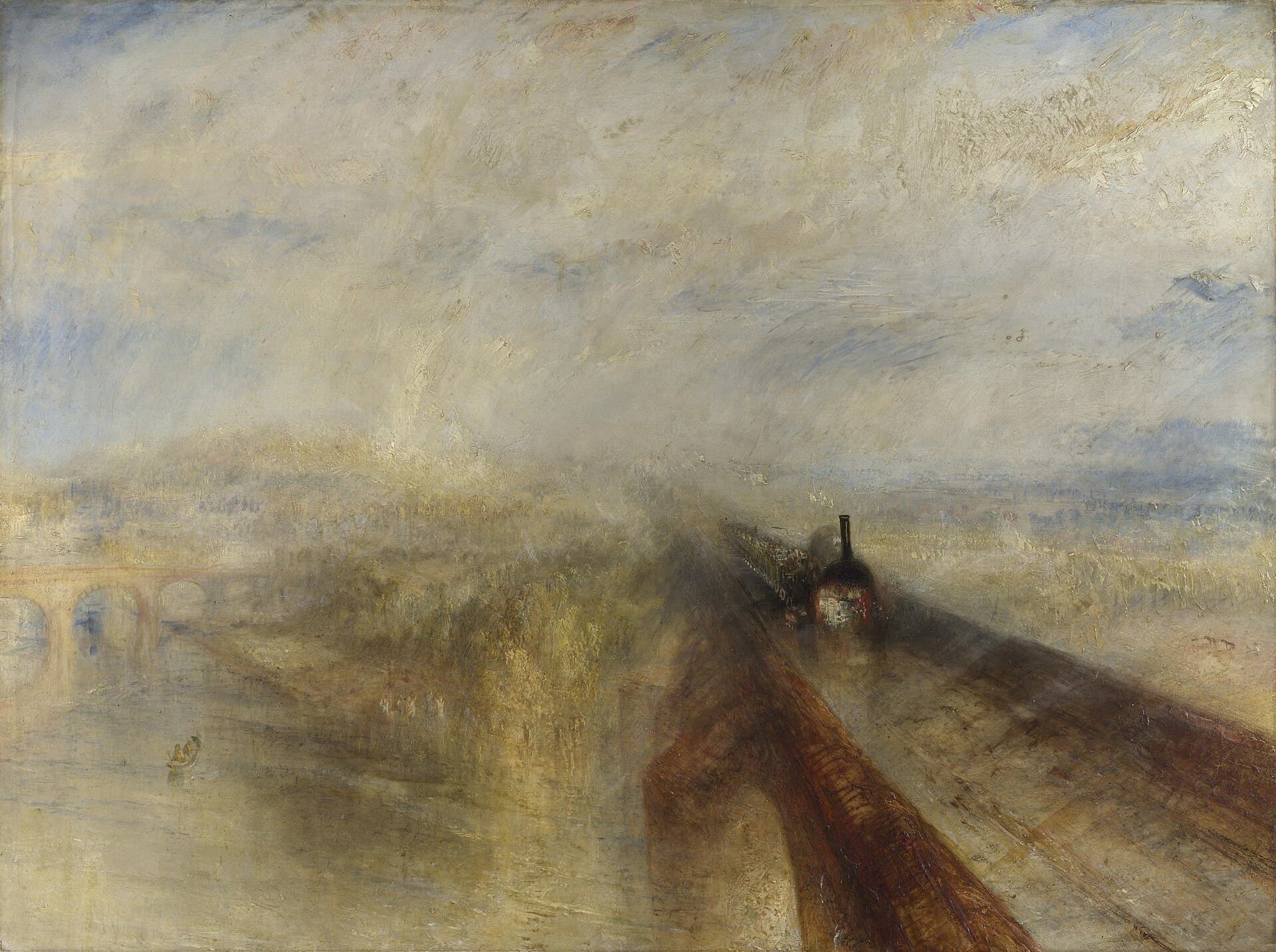
Coal replaced muscle, steam replaced wind, and the village became a city inside a generation. Railways stitched markets together while ideologies stitched grievances together, until the richest civilisation in history armed itself for the largest catastrophe in history.
- 1825
The first public railway
Stockton to Darlington: Stephenson's engine hauls coal (and soon everyone) at speeds once thought fatal.
- 1848
The Springtime of Peoples
Revolutions flare from Paris to Budapest in eight weeks; thrones wobble, constitutions appear, censors work overtime.
- 1859
Darwin publishes
On the Origin of Species replaces the ladder of creation with a branching tree: scandal, sermon, and eventually science.
- 1871
Germany is proclaimed
In Versailles' Hall of Mirrors, Bismarck's patched-together empire resets the balance of Europe, ominously.
- 1885
Benz drives the first car
A three-wheeled carriage with a petrol engine putters through Mannheim. The century of asphalt begins.
- 1896
Athens revives the Olympics
Coubertin restarts the Greek games; nations discover they can fight with medals instead of armies.

VII1914 to 1945
The Thirty-One Years' Crisis
The World Wars
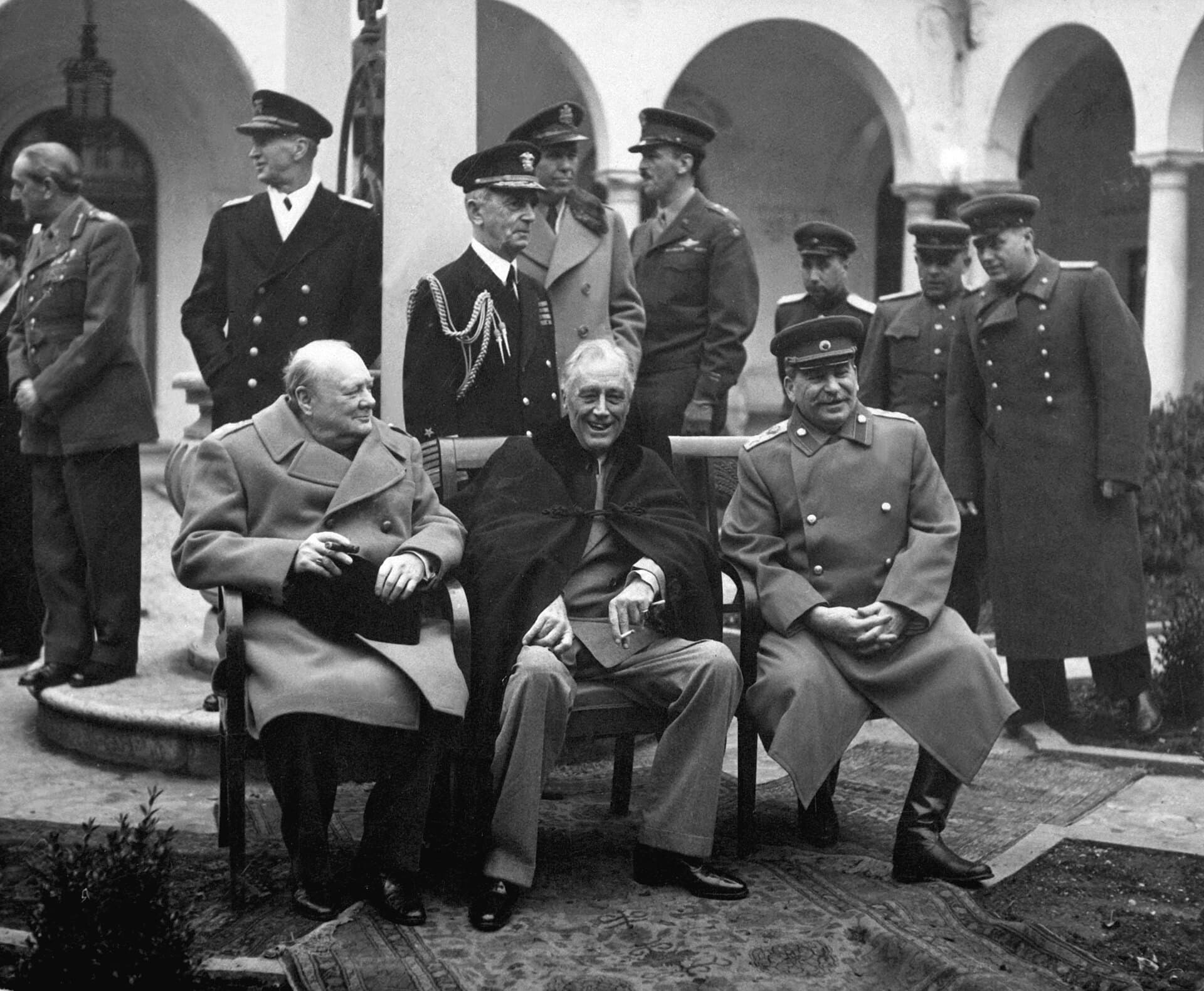
Europe attempted suicide twice with an interval for treatment. Industrial war killed the nineteenth century along with twenty million people; after a bankrupt peace and a great depression it returned with genocide attached. When it ended in 1945, the continent that had ruled the world lay in ruins between two superpowers.
- 1914
Sarajevo ignites
A nineteen-year-old fires two shots; five empires march within six weeks.
- 1916
Verdun and the Somme
France and Germany bleed for ten months over twenty square kilometres; Britain suffers 57,000 casualties in a single July day.
- 1918
The eleventh hour
At 11 a.m. on 11 November the guns stop. Four empires are already dissolving.
- 1933
Hitler takes power
Appointed chancellor legally, the Nazis dismantle the Weimar Republic within months and begin the road to genocide.
- 1941
Barbarossa
Hitler invades his ally Stalin; Japan brings America in. The war becomes truly global, and unwinnable for the Axis.
- 1945
Zero hour
Berlin falls in May after the Holocaust murders six million Jews. Europe counts tens of millions dead and starts from ash.

VIII1945 to 1993
The Divided Continent
Cold War & Reunification
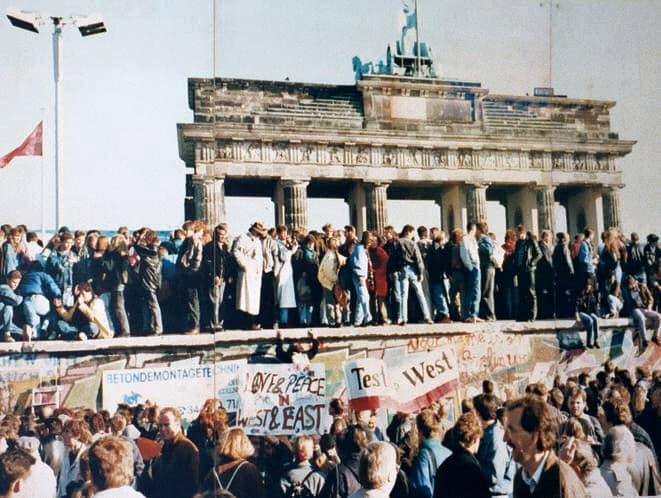
An iron curtain bisected Europe from Stettin to Trieste. Half rebuilt under Marshall Plan lightbulbs, half under planned-economy fog, two alliances stared down nuclear sights for forty years. Then, absurdly and suddenly, a misread press conference opened a wall, and the continent sewed itself back together with treaties.
- 1948
The Berlin Airlift
When Stalin blockades West Berlin, the Allies fly in food and coal for eleven months: 277,000 flights of defiance.
- 1950
The Schuman Declaration
France and Germany pool coal and steel so war between them becomes materially impossible. Europe Day is May 9.
- 1961
The Wall rises overnight
Barbed wire through sleeping streets becomes concrete through living rooms; escape becomes a sport with a mortality rate.
- 1980
Solidarity sails from Gdańsk
A strike in a shipyard births a ten-million-member union: the first crack in the Soviet bloc.
- 1989
The Wall falls
A botched press conference, a crowded Bornholmer Straße checkpoint, and Europe's ugliest monument becomes souvenir pebbles.
- 1992
Maastricht signs the Union
Twelve states agree to a union with a currency, a citizenship, and an acronym nobody can say proudly.

IX1993 to 2026
Union & Fracture
European Union · The Digital Age
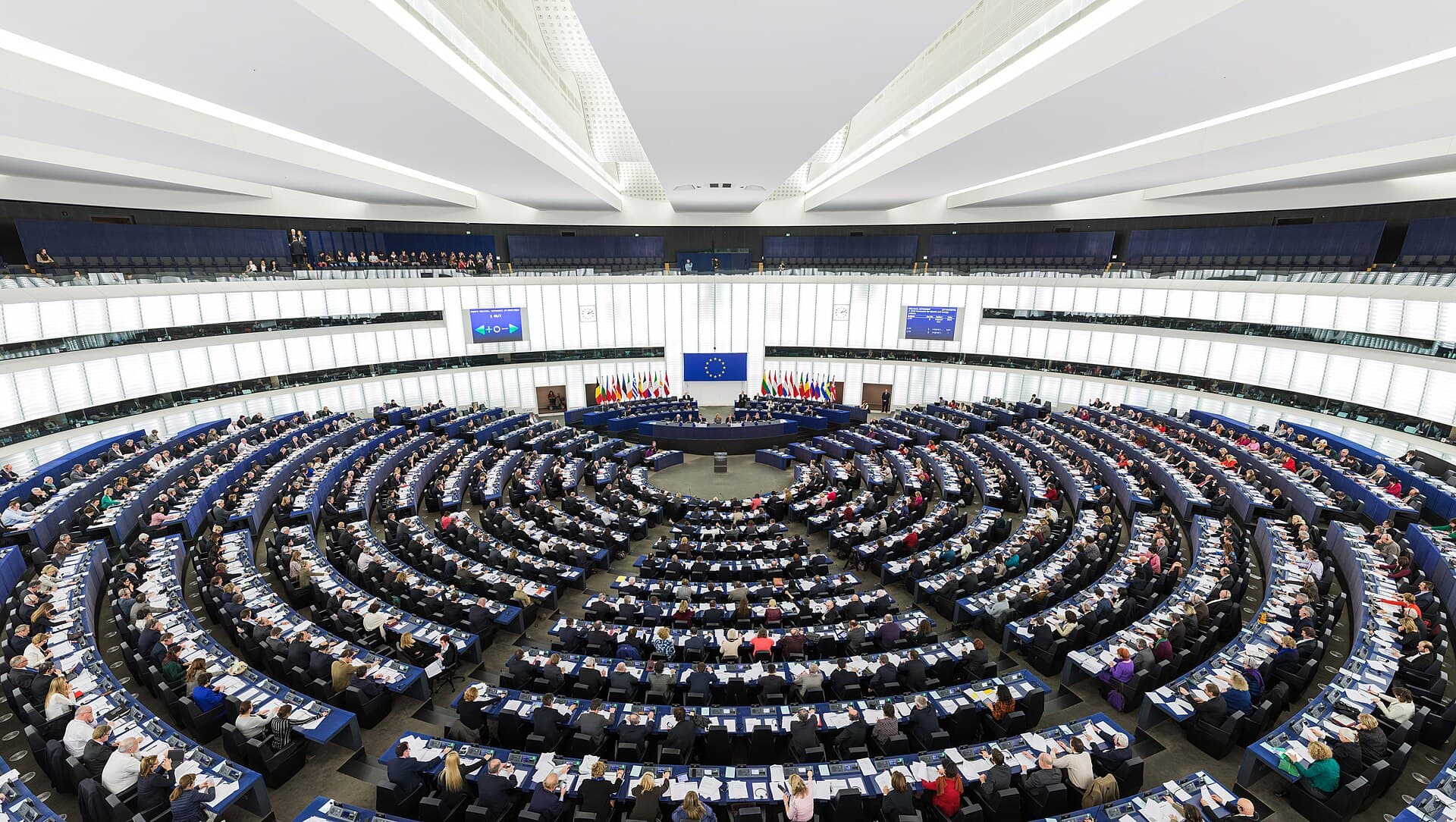
The treaties finally caught up with the map. A union of twelve became twenty-seven, a single currency crossed old borders in a hundred million pockets, and the internet rewired daily life faster than any revolution before it. Then the century tested its work: a member state voted to leave, a pandemic closed the borders that had opened, and war returned to the continent's east, while the Union answered with sanctions, shelters and candidate status instead of tanks.
- 1993
The Union comes into being
Maastricht takes effect: the European Union exists, with citizenship, a single market and borders you can cross without showing a passport.
- 2002
Twelve currencies become one
Euro notes and coins arrive in twelve countries' pockets overnight: the first common money since Rome minted for its whole lake.
- 2004
The Big Bang enlargement
Ten nations join in a single day, most of them freshly free of Soviet rule. The iron curtain becomes an internal funding line.
- 2008
The crash tests the euro
Global finance buckles and the eurozone spends a decade arguing debt against solidarity: the union's loudest family row yet.
- 2016
Britain votes to leave
52 to 48, and after forty-seven years the UK exits in January 2020, the first member ever to walk out of the room.
- 2022
War returns to Europe
Russia invades Ukraine in full. The Union answers with sanctions, weapons and candidate status; Finland and Sweden join NATO.
The Ledger
0
centuries chronicled
0
sovereign states today
0+
living languages
0
states in the Union